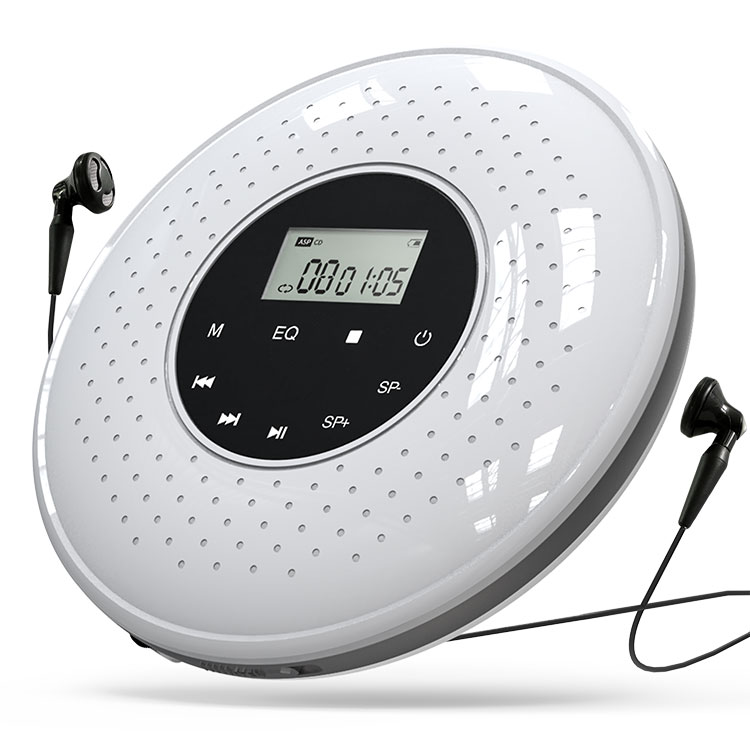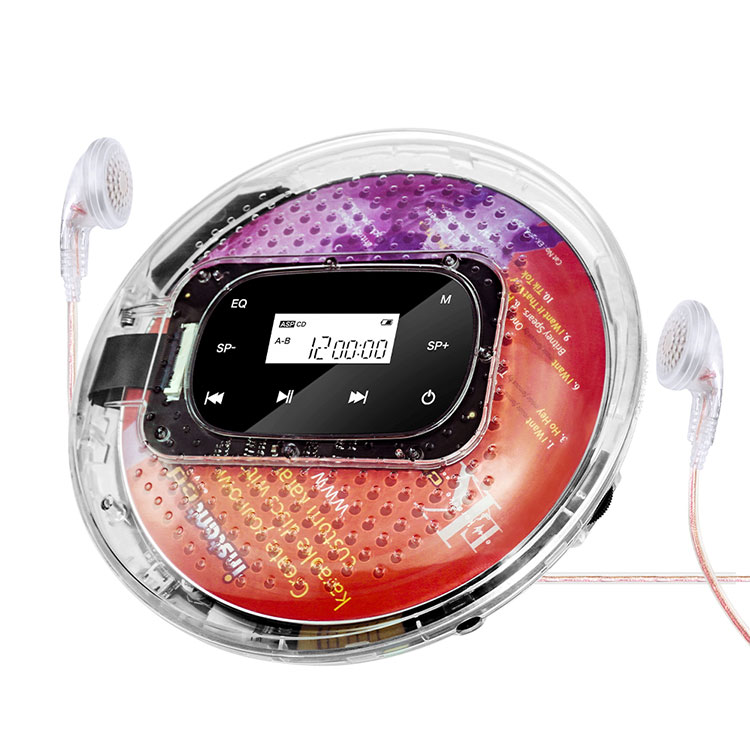

The portable CD player continues to hold strong appeal for music enthusiasts who value physical media, consistent audio quality, and offline listening. This comprehensive guide explains how a portable CD player works, what problems users commonly face, and how to choose the right model for different use cases. From sound performance and anti-skip technology to battery life and connectivity options, this article provides practical insights to help users make informed decisions.
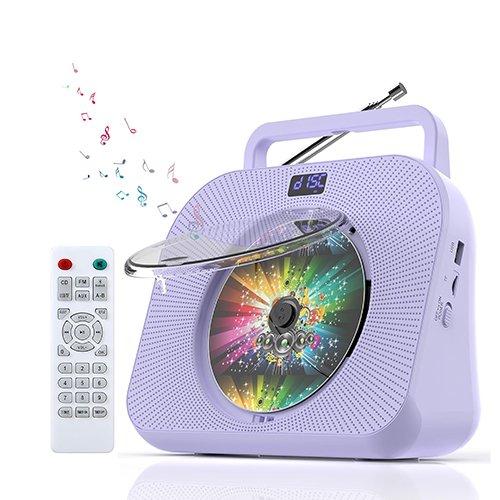
A portable CD player is a compact audio device designed to read and play compact discs while allowing mobility and independent operation. Unlike streaming devices, it does not rely on internet connectivity, making it suitable for travel, outdoor use, and environments with limited network access.
Modern portable CD players have evolved far beyond early models. They now integrate advanced digital signal processing, enhanced anti-skip protection, multiple audio output options, and improved power efficiency. TOMPIRE focuses on developing portable CD player products that combine classic playback reliability with contemporary usability.
Despite their simplicity, users often encounter several issues when purchasing or using a portable CD player. Addressing these concerns helps avoid dissatisfaction and unnecessary replacements.
These problems are usually linked to outdated internal components, weak anti-shock mechanisms, or low-quality power management systems.
Understanding how a portable CD player functions internally helps users evaluate product quality more effectively.
Advanced implementations of these technologies significantly improve playback stability and sound clarity, even during movement.
Selecting the right portable CD player requires a structured evaluation of personal needs and technical specifications.
TOMPIRE provides portable CD player options that address both casual listening and more demanding use cases, ensuring flexibility for different users.
Certain features have a direct impact on long-term satisfaction and usability.
A well-designed portable CD player balances these features without unnecessary complexity.
| Feature | Basic Model | Advanced Model |
|---|---|---|
| Anti-Skip Protection | Standard | Enhanced Buffer System |
| Battery Life | 6–8 Hours | 10–15 Hours |
| Audio Output | Headphone Jack | Headphone + AUX Output |
| Portability | Moderate | Lightweight and Compact |
Portable CD players remain relevant across multiple scenarios where reliability and simplicity are valued.
Proper care extends the lifespan of a portable CD player and preserves sound quality.
Consistent maintenance reduces performance degradation over time.
Does a portable CD player require internet access?
No. It operates entirely offline using physical compact discs.
Can portable CD players handle movement?
Yes. Modern models include anti-skip technology to ensure smooth playback.
Are portable CD players still practical today?
Yes. They offer stable audio playback without reliance on streaming or network services.
What affects sound quality the most?
The quality of internal components, headphones, and disc condition all play important roles.
A portable CD player remains a dependable audio solution for users who value physical media, consistent performance, and offline listening. By understanding core technologies, common challenges, and essential features, users can select a device that meets their expectations and usage habits.
TOMPIRE is dedicated to delivering durable and user-focused portable CD player solutions designed for real-world listening needs. If you are exploring reliable playback options or need professional guidance on selecting the right portable CD player, contact us today to learn how TOMPIRE can support your audio requirements.