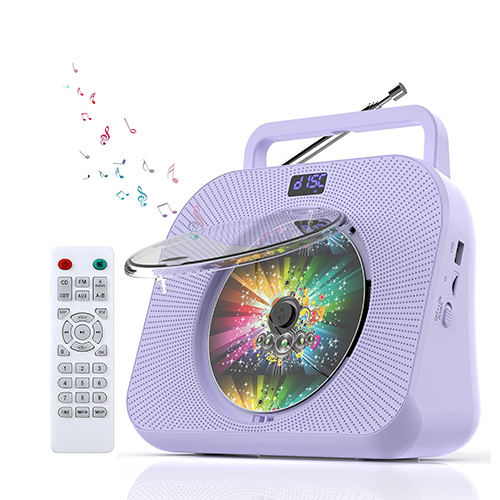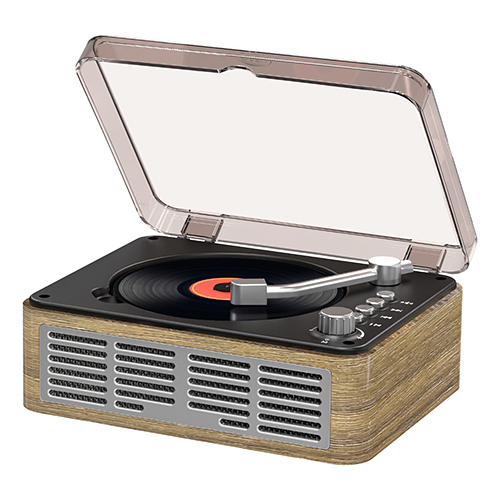

Streaming has made it easy to listen to almost any song within seconds, but CD Players have not disappeared from home audio systems. Many people still keep their CD collections and prefer having a physical copy of the music they enjoy. For some listeners, it is simply more convenient to put a disc into a player, press play, and listen without dealing with apps, subscriptions, or network connections.
The biggest difference is how you access your music. With a streaming service, you normally need a phone, computer, smart speaker, or other connected device. A CD Player works with the disc itself, so the music is available as soon as the CD is inserted.
This simple operation can be useful in a living room, bedroom, study, or small home audio setup. You do not have to search through a large digital library when you already know which album you want to hear.
There is also something practical about owning a physical collection. A shelf of CDs gives you a clear record of what you own, while a streaming library can change depending on licensing and subscription availability.
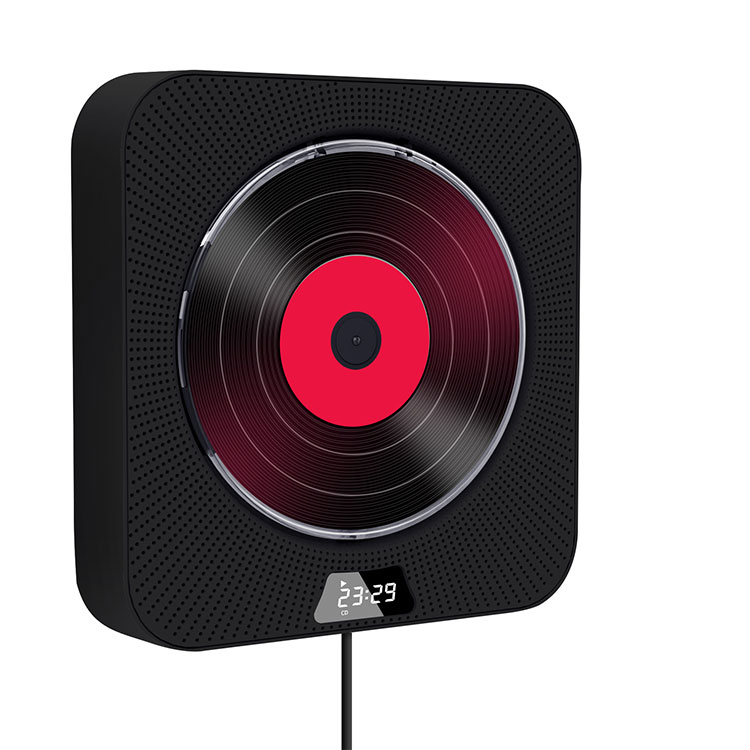
Yes. A CD Player does not have to replace modern audio equipment. It can work alongside it.
For example, a home audio system may include a CD Player connected to an amplifier and a pair of speakers. Some users may also have a turntable or network audio device in the same system. Each source can serve a different purpose depending on what they want to listen to.
For people who already own dozens or hundreds of CDs, adding a CD Player can be a straightforward way to continue using that collection instead of leaving the discs unused.
One reason is the listening experience itself.
When you choose a CD, you normally select an album rather than endlessly browsing individual songs. You put the disc into the player, start the album, and let it play. This can make listening feel less interrupted.
Physical media can also be meaningful to collectors. Album artwork, printed information, booklets, and the physical disc are part of the ownership experience. For music fans who have collected CDs for years, these details are not easily replaced by a playlist on a phone.
Another advantage is that a CD does not depend on an internet connection during playback. Once you have the disc and a functioning player, you can listen to it offline.
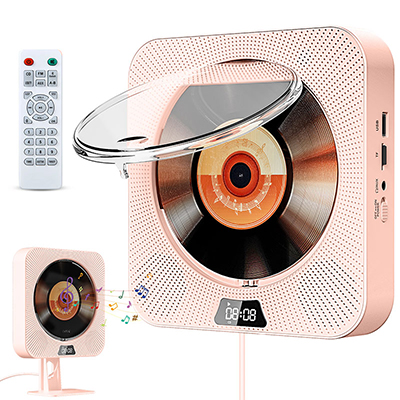
A CD Player can fit into several everyday home environments.
Living room: A CD Player can be connected to an existing stereo system for regular music listening.
Bedroom: A compact player can be convenient when you want simple music playback without using a phone.
Study or home office: Some people enjoy playing familiar albums quietly while reading, working, or doing other tasks.
Music room: For collectors, a dedicated CD Player can become part of a larger setup that includes an amplifier, speakers, and other audio sources.
The right choice depends on the rest of the audio system, available space, and how the user normally listens to music.
Not every CD Player is designed for the same type of setup. Before purchasing one, it is worth looking at several practical points.
Check which disc formats the player supports and whether they match your existing collection. If you have many personally recorded discs, compatibility can be especially important.
Look at the available output connections and compare them with your amplifier, receiver, powered speakers, or other equipment. A player is much easier to integrate when its connections match the rest of the system.
A full-size CD Player may work well in a traditional stereo rack, while a compact model can be more suitable for a desk, bedroom, or smaller space.
Basic controls such as play, pause, stop, track selection, and repeat are useful for everyday operation. A clear display can also make it easier to see which track is playing.
If the player will be used frequently, pay attention to the disc tray, buttons, display, and overall construction. Simple controls and reliable disc loading can make a bigger difference in daily use than a long list of extra features.
For someone who only listens to streaming music, a CD Player may not be necessary. But the situation is different for people who already own CDs, collect physical albums, or prefer a dedicated music source at home.
A CD Player also offers a different kind of listening routine. Instead of reaching for a phone every time you want music, you can simply select an album, insert the disc, and start listening.
That simplicity is one reason the format continues to have a place in home audio.
The popularity of streaming has changed the way people listen to music, but it has not made physical CDs useless. For listeners with an existing CD collection, a CD Player remains a practical way to enjoy music at home.
It is straightforward to operate, works without internet access during playback, and can be integrated into a traditional stereo system. More importantly, it gives physical music collections a purpose beyond sitting on a shelf.
For anyone who still enjoys choosing an album, opening the case, putting the disc into the player, and listening from beginning to end, the CD Player still makes sense.
-